Difficulty
B1 30-C2 90
A1
A2
A2+
B1
B1+
B2
B2+
C1
C1+
C2
0
10
20
30
40
50
60
70
80
90
100
B2
From Four-Day Weeks to Job Losses: Tech Leaders Discuss AI’s Influence on Employment
Planner: Gideon Fox
January 4, 2026
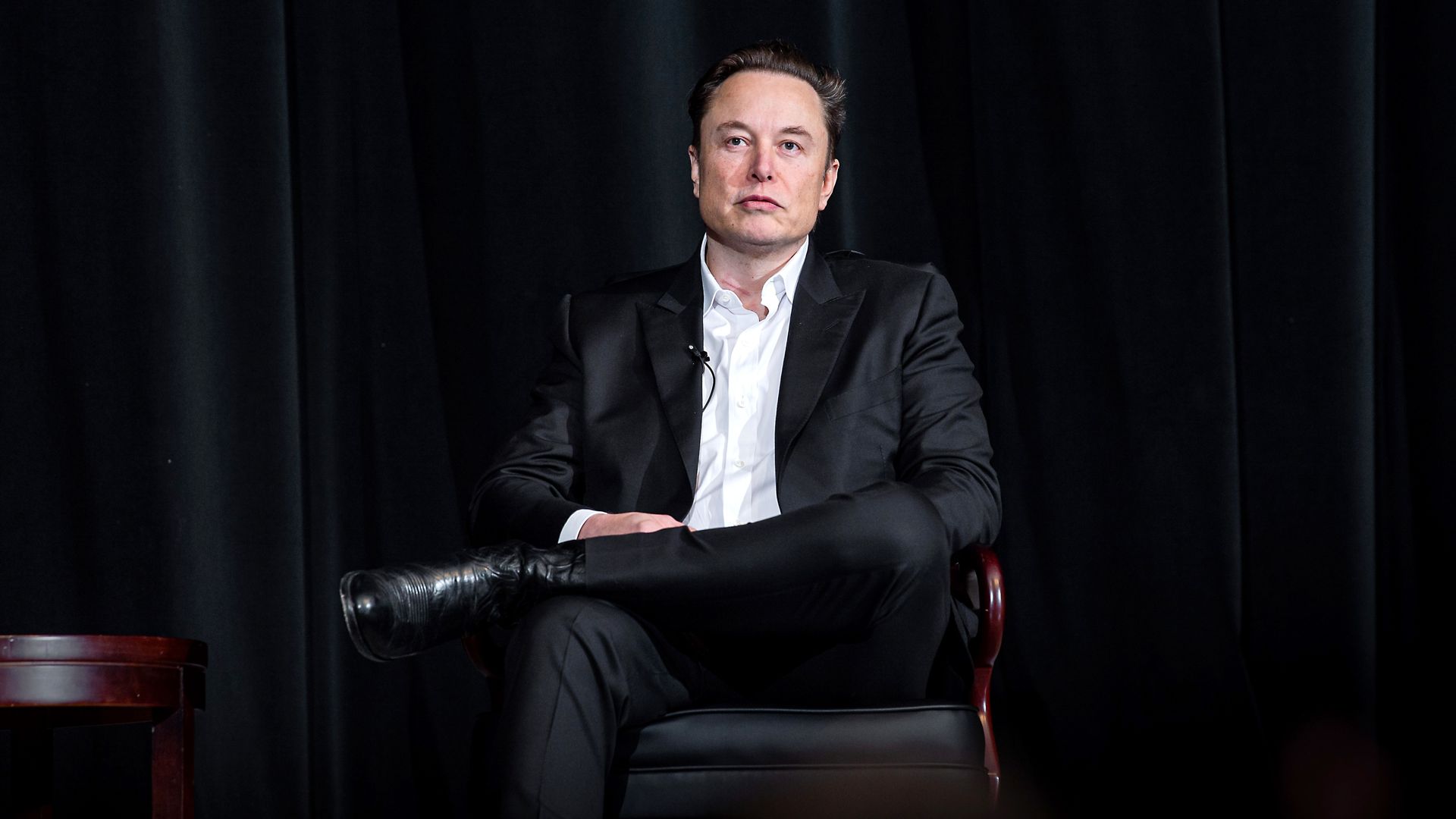
As 2026 approaches, debate over the economic impact of artificial intelligence is intensifying.Recent public comments by technology executives have drawn renewed attention to the idea that AI could fundamentally change how people live and work.In a series of late-December remarks, Elon Musk argued that rapid progress in artificial intelligence combined with robotics could generate such high levels of productivity that full-time employment may no longer be essential for most people.
The comments were reported by several business and technology outlets and quickly circulated online.They come at a time when AI tools are being adopted at scale across industries, from software development to manufacturing.
Supporters of this view say automation could dramatically reduce costs and expand access to goods and services, creating what they describe as a new era of economic abundance.Critics, however, note that previous technological revolutions have often produced uneven outcomes, making the future distribution of benefits a central concern.
The comments were reported by several business and technology outlets and quickly circulated online.They come at a time when AI tools are being adopted at scale across industries, from software development to manufacturing.
Supporters of this view say automation could dramatically reduce costs and expand access to goods and services, creating what they describe as a new era of economic abundance.Critics, however, note that previous technological revolutions have often produced uneven outcomes, making the future distribution of benefits a central concern.
Musk predicts AI will create 'universal high income' and make saving money unnecessary
Elon Musk Predicts A New Economy: No Poverty, No Hunger And Work Is Optional
Elon Musk: AI and robotics will make work ‘optional’ in less than 20 years
 NewsX
NewsXWhy Elon Musk Says Work Could Become Optional In 10–20 Years With AI And Robotics
In his recent statements, Musk described a future economy where artificial intelligence systems perform the majority of productive labor.He suggested that this shift could make it unnecessary for people to save money in the traditional sense, as essential goods and services would become widely accessible at minimal cost.The concept he outlined is not framed as a formal government program, but rather as an outcome of extreme productivity gains driven by technology.Several reports published at the end of December indicate that Musk believes these changes could occur within the next 10 to 20 years.He pointed to rapid advances in humanoid robots and increasingly capable AI systems as signs that large-scale automation is approaching faster than many expect.According to the coverage, he also emphasized energy as a critical factor.
suggesting that abundant and efficient energy production would be central to this future economy.At the same time, the reports note growing skepticism from economists and policy observers.While acknowledging the transformative potential of AI, they argue that productivity gains alone do not guarantee broad-based prosperity.
Without clear frameworks for access and governance, they warn that new technologies could deepen existing inequalities.These concerns highlight a familiar tension between technological optimism and the social realities of economic transition.The renewed focus on AI-driven abundance has wider implications beyond technology.Analysts say the discussion is pushing governments and institutions to reconsider long-term policy choices, including how education systems prepare people for a world with less traditional employment.It also raises questions about how social safety nets might evolve if stable jobs become less central to economic life.
While Musk's predictions remain speculative, the attention they have received reflects broader uncertainty about the future of work.As AI continues to advance, policymakers and the public are being forced to confront fundamental questions about income, purpose, and social organization.Whether work becomes optional or simply transformed, the debate itself signals that the economic assumptions of the past century are increasingly under pressure.
suggesting that abundant and efficient energy production would be central to this future economy.At the same time, the reports note growing skepticism from economists and policy observers.While acknowledging the transformative potential of AI, they argue that productivity gains alone do not guarantee broad-based prosperity.
Without clear frameworks for access and governance, they warn that new technologies could deepen existing inequalities.These concerns highlight a familiar tension between technological optimism and the social realities of economic transition.The renewed focus on AI-driven abundance has wider implications beyond technology.Analysts say the discussion is pushing governments and institutions to reconsider long-term policy choices, including how education systems prepare people for a world with less traditional employment.It also raises questions about how social safety nets might evolve if stable jobs become less central to economic life.
While Musk's predictions remain speculative, the attention they have received reflects broader uncertainty about the future of work.As AI continues to advance, policymakers and the public are being forced to confront fundamental questions about income, purpose, and social organization.Whether work becomes optional or simply transformed, the debate itself signals that the economic assumptions of the past century are increasingly under pressure.