Difficulty
B1 30-C2 90
A1
A2
A2+
B1
B1+
B2
B2+
C1
C1+
C2
0
10
20
30
40
50
60
70
80
90
100
B2
Amazon’s Hidden Past: Highway Digs Show Indigenous Civilizations Before Europeans Arrived
Ancient Worlds Under the Forest
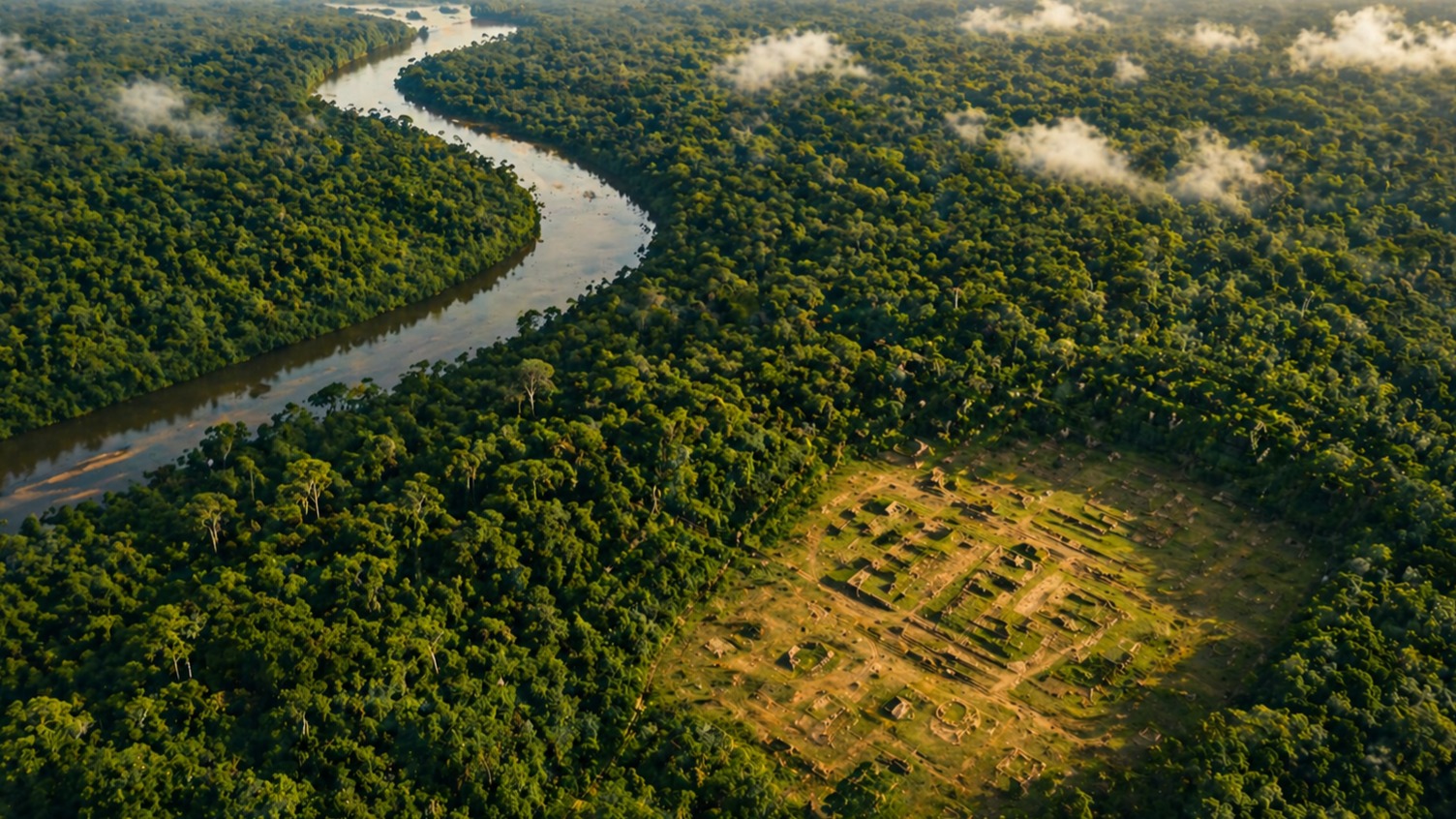
These discoveries happened because of the highway construction.They had thousands of objects to proof that the Amazon was not an empty forest.Instead, it was a place where people lived and managed the land for more than 6,000 years.
Archaeological digs in Amazon provide clues about Indigenous inhabitants before colonization
Archaeological digs in Amazon provide clues about Indigenous inhabitants before colonization
Highway project in Brazil's Amazon becomes a dig site for clues to the past | AP News
Planner: Eli Hart
April 28, 2026
History in the Soil
Santos said, Digging deeper, we found pottery from indigenous people.This shows the site changed before and after colonizers came.
The pottery styles are very interesting.They show influences from many places, from Pará state in Brazil to the Caribbean.This means indigenous societies were connected and traded with each other over long distances.
Amapá’s Long History
Leite said, What we know about the past comes from these projects.They help us learn, but also make us careful to protect these places.
He also talks about technology.Many think technology means computers, but these old people used the land carefully and chose materials wisely.
Stones Marking the Sky
Mariana Petri Cabral, an archaeologist and professor at the Federal University of Minas Gerais, said the stones were not from the site itself.She said, they were brought from other nearby places.Moving these stones shows the communities planned carefully and worked together.
Cabral added, Amapá helps us see how active these people were.They kept trade networks for thousands of years.
Satellite Scans Show a Large Network
Nevis said, people often think indigenous tribes lived alone in small villages, but the evidence shows many settlements were connected.
Research also shows indigenous peoples managed the forest well for centuries.They grew plants and cared for the land in ways that helped the environment.
Protecting the Past and the Forest
Excavations along BR 156 continue.Authorities plan to protect these sites, possibly by creating a national park.Each layer of soil that archaeologists remove helps us understand a civilization that was connected, built monuments for the sky, and traded across thousands of kilometers.Their mark is still in the forest around us today.