Trouble in the Strait of Hormuz: Iran Attacks and Seizes Ships
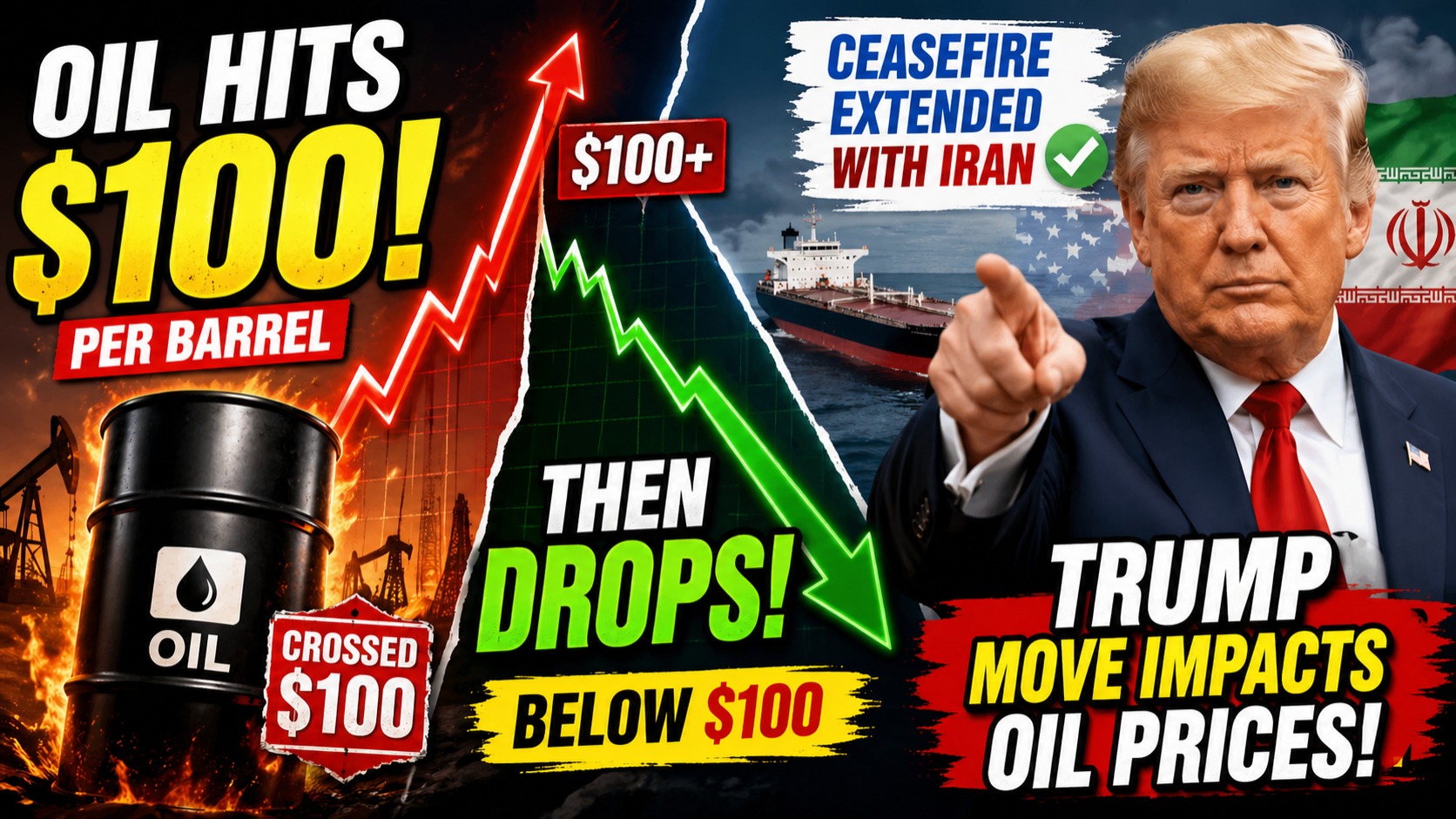
The price rise happened because of new fighting in the Strait of Hormuz.On April 22, Iranian forces fired at three commercial ships and took control of two others in this narrow waterway.This made tensions worse and increased fears that the Strait of Hormuz, a very important route for about 20% of the world's oil trade, is still a dangerous conflict area.Even though the United States and Iran agreed to a ceasefire on April 8, ship traffic in the Strait is still much lower than before the war.The incidents on April 22 showed how unstable the situation is.Ceasefire Extended but Blockade Continues
The day before, on April 21, U.S. President Donald Trump extended the ceasefire with Iran.This decision was influenced by requests from Pakistan's military leader, Field Marshal Asim Munir, and Prime Minister Shahbaz Sharif.However, the U.S. kept its naval blockade on Iranian ports, continuing economic and military pressure.Trump said the Iranian government seemed seriously fractured and needed more time to agree on a common plan for talks.This statement did not calm the worried markets.How the Global Energy Crisis Started
This crisis began in February and March 2026, when the Iran War started.The Strait of Hormuz was closed and there were attacks on energy facilities in the region.This caused immediate problems for global oil supply chains.Qatar Energy declared force majeure on its liquefied natural gas contracts on March 3, because it could not ship LNG during the conflict.This forced some gas plants to stop working and made global gas prices go up, which added pressure on countries that import energy.The crisis has caused serious problems worldwide.Fuel shortages are spreading across many continents.Energy and fertilizer markets, which rely heavily on oil and gas, are also disrupted.Economists warn about the risk of stagflation, a bad mix of slow economic growth and rising prices, especially in Asia and Europe.Countries like China, India, Japan, and South Korea are very vulnerable as the crisis continues.Mixed Reactions in Energy Markets
On April 22, different energy markets showed varied results.West Texas Intermediate, WTI crude oil, was priced at $89.45 per barrel, and Merbin crude oil rose by 3.49%.But other oil prices fell.The OPEC basket dropped 4.95%, Dubai crude fell 4.28%, and Urals crude went down 4.50%.India's crude basket had the biggest drop, falling 9.24%, which is hard for one of the world's largest oil importers.Western Canadian select oil rose 6.88%.Natural gas and gasoline prices changed only a little.U.S. Stock Market Shows Strength
These mixed changes show how different types of oil and markets are reacting differently to the Hormuz crisis.While energy markets struggled, the U.S. stock market moved higher.This was helped by strong earnings reports from big companies.General Electric Verona reported better profits than expected in the first quarter and increased its revenue forecast for the year.Boston Scientific had strong quarterly results and its stock rose 8.9 percent.Boeing's shares climbed 7% after good earnings, and Philip Morris International's stock went up 5.1%.This shows that some parts of the economy are doing well despite the energy crisis.No Clear Solution Yet
The events on April 22 did not solve the crisis.Iran still controls the Strait of Hormuz.Talks are stuck because the U.S. says Iran's government is divided, and the U.S. blockade remains in place.The conditions that caused this crisis are still strong.For energy markets, governments, and economies from Tokyo to Frankfurt, the big question is not if this crisis will cause lasting damage, but how serious that damage will be.