Difficulty
B1 30-C2 90
A1
A2
A2+
B1
B1+
B2
B2+
C1
C1+
C2
0
10
20
30
40
50
60
70
80
90
100
B2
Zelensky Signals Willingness to Reconsider NATO Membership
Planner: Derek Lane
December 14, 2025
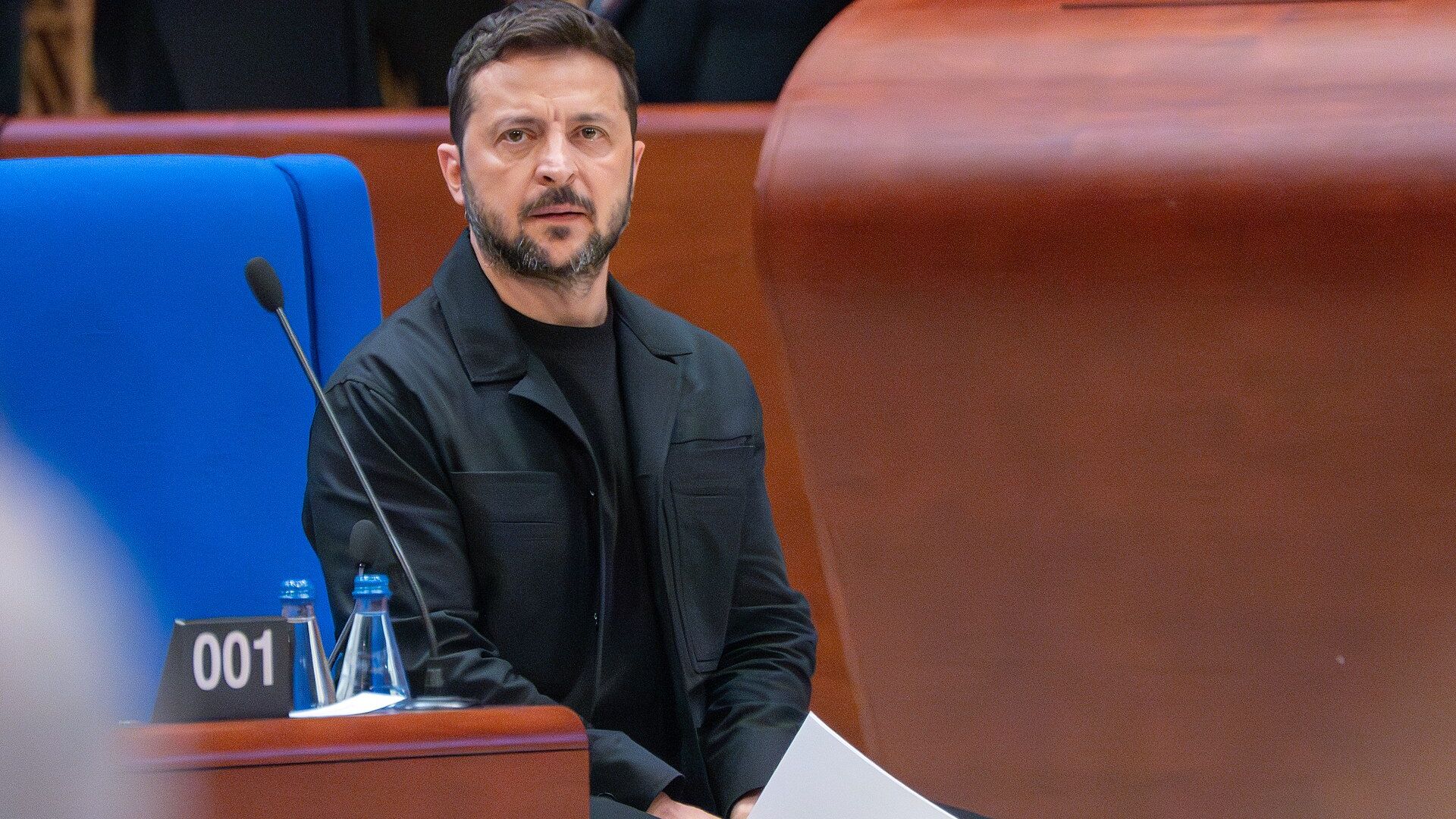
Ukrainian President Volodymyr Zelensky has indicated that Ukraine is ready to give up its ambition of joining the NATO military alliance as new diplomatic efforts aimed at ending the war with Russia begin in Berlin.According to reports published on December 14, Zelensky made the comments ahead of meetings between Ukrainian, United States and European officials.The talks are intended to explore possible frameworks for peace following months of intensified fighting and stalled negotiations.
The remarks represent one of the clearest signals so far that Kiev may be willing to adjust a longstanding policy position in order to advance talks.Ukraine's pursuit of NATO membership has been a central element of its foreign policy since the outbreak of the conflict, and its potential abandonment marks a notable shift in tone.Zelensky framed the move as part of a broader effort to secure what he described as a dignified peace, stressing that Ukraine was seeking a realistic pathway to end the war while safeguarding its future security.
The remarks represent one of the clearest signals so far that Kiev may be willing to adjust a longstanding policy position in order to advance talks.Ukraine's pursuit of NATO membership has been a central element of its foreign policy since the outbreak of the conflict, and its potential abandonment marks a notable shift in tone.Zelensky framed the move as part of a broader effort to secure what he described as a dignified peace, stressing that Ukraine was seeking a realistic pathway to end the war while safeguarding its future security.
Ukraine's Zelenskiy drops NATO ambition as Berlin peace talks begin
Zelenskyy offers to drop NATO bid in exchange for security guarantees, refuses to cede land
 The Indian Express
Ukraine decides to drop its ambition of joining NATO in exchange for Western security guarantees, says Zelenskyy
Live: Ukraine war updates – including US pushing talks on NATO/security guarantees
Ukraine’s Zelensky ditches NATO ambition ahead of peace talks
Zelensky made clear that Ukraine's willingness to step back from NATO membership would depend on firm security guarantees from Western partners.He said any agreement would need to include assurances that could effectively deter future aggression and protect the country's sovereignty.At the same time, the Ukrainian president ruled out territorial concessions.
He stated that Ukraine would not agree to give up land currently occupied by Russian forces as part of any settlement.This position was reiterated in multiple interviews and statements cited by international media.Officials described the proposal as a pragmatic approach rather than a retreat.
By seeking alternative security arrangements, Ukraine aims to balance the goal of ending the war with the need to ensure long-term national safety.The emphasis on legally binding guarantees reflects concerns that informal promises may not provide sufficient protection.The reports underlined that Kiev views security guarantees as a core condition for any compromise, placing them at the center of ongoing diplomatic discussions.The timing of Zelensky's remarks coincided with renewed diplomatic engagement involving Ukraine, the United States, and European partners.meetings in Berlin brought together senior officials to discuss possible paths toward negotiations and future security arrangements.Western governments have responded with caution.
While acknowledging Ukraine's stated willingness to consider alternatives to NATO membership, officials have avoided making concrete commitments regarding the form or scope of potential security guarantees.According to live updates and reporting, the United States and several European Union member states have been exploring structured talks that would fall outside the NATO framework.
These discussions reflect long-standing concerns among some allies about the risks of formal alliance expansion.The careful tone from Western capitals suggests an effort to keep diplomatic options open while managing expectations about the pace and outcome of any negotiations.Observers say the announcement could remove one of the most contentious issues in efforts to bring Russia to the negotiating table.NATO expansion has repeatedly been cited as a major concern in the conflict, and Ukraine's shift in position may alter the diplomatic landscape.At the same time, analysts caution that significant challenges remain.
Any future talks will depend heavily on whether Western countries are prepared to offer security guarantees that Ukraine considers credible and enforceable.There is also uncertainty over Russia's response.While Ukraine's proposal may ease some tensions, the willingness of Moscow to engage in meaningful negotiations remains unclear based on the available reporting.
As diplomatic efforts continue, the coming days are expected to test whether the current momentum can translate into substantive progress.For now, the path toward a negotiated settlement remains uncertain, with security guarantees and territorial integrity at the heart of the debate.
He stated that Ukraine would not agree to give up land currently occupied by Russian forces as part of any settlement.This position was reiterated in multiple interviews and statements cited by international media.Officials described the proposal as a pragmatic approach rather than a retreat.
By seeking alternative security arrangements, Ukraine aims to balance the goal of ending the war with the need to ensure long-term national safety.The emphasis on legally binding guarantees reflects concerns that informal promises may not provide sufficient protection.The reports underlined that Kiev views security guarantees as a core condition for any compromise, placing them at the center of ongoing diplomatic discussions.The timing of Zelensky's remarks coincided with renewed diplomatic engagement involving Ukraine, the United States, and European partners.meetings in Berlin brought together senior officials to discuss possible paths toward negotiations and future security arrangements.Western governments have responded with caution.
While acknowledging Ukraine's stated willingness to consider alternatives to NATO membership, officials have avoided making concrete commitments regarding the form or scope of potential security guarantees.According to live updates and reporting, the United States and several European Union member states have been exploring structured talks that would fall outside the NATO framework.
These discussions reflect long-standing concerns among some allies about the risks of formal alliance expansion.The careful tone from Western capitals suggests an effort to keep diplomatic options open while managing expectations about the pace and outcome of any negotiations.Observers say the announcement could remove one of the most contentious issues in efforts to bring Russia to the negotiating table.NATO expansion has repeatedly been cited as a major concern in the conflict, and Ukraine's shift in position may alter the diplomatic landscape.At the same time, analysts caution that significant challenges remain.
Any future talks will depend heavily on whether Western countries are prepared to offer security guarantees that Ukraine considers credible and enforceable.There is also uncertainty over Russia's response.While Ukraine's proposal may ease some tensions, the willingness of Moscow to engage in meaningful negotiations remains unclear based on the available reporting.
As diplomatic efforts continue, the coming days are expected to test whether the current momentum can translate into substantive progress.For now, the path toward a negotiated settlement remains uncertain, with security guarantees and territorial integrity at the heart of the debate.