Difficulty
B1 30-C2 90
A1
A2
A2+
B1
B1+
B2
B2+
C1
C1+
C2
0
10
20
30
40
50
60
70
80
90
100
C1+

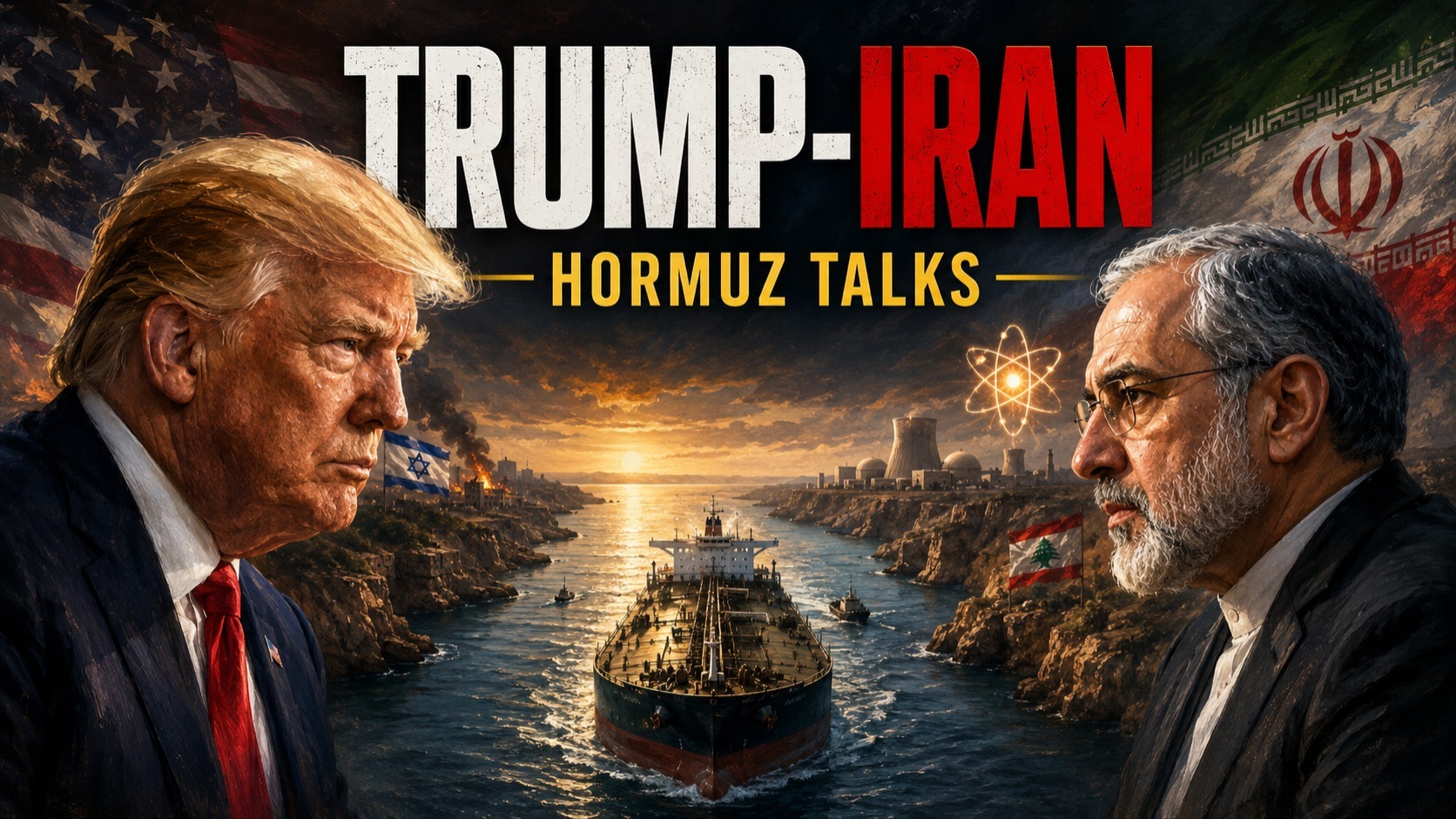
US and Iran Close to Agreement to End War, Reopen Strait of Hormuz, and Resolve Nuclear Issues

Careful Optimism as Talks Make Progress

The United States and Iran are nearing an important agreement that could end their war, reopen the crucial Strait of Hormuz, and require Iran to give up its stock of highly enriched uranium.Negotiations have made significant progress in May 2026 but officials from both countries warn that a final, signed deal is not yet reached.Until then, the U.S. naval blockade of Iranian ports will continue.

Secretary of State Marco Rubio described the situation with caution.He said, significant progress, although not final progress, has been made, showing that the two sides have reduced their differences but still face difficult steps.President Donald Trump also expressed patience, telling reporters he does not want to rush.He said, time is on our side, and described the relationship with Tehran as becoming more professional and productive, while stressing that the U.S. is acting in an orderly and constructive manner.
Planner: Liam Gray
19 hours ago

The Nuclear Issue at the Center of Talks

The main focus of any agreement is Iran's nuclear program.Iran currently holds 440.9 kilograms of uranium enriched up to sixty percent purity, which is close to weapons grade.Iran has not publicly agreed to give up this uranium stockpile.However, Iranian President Massoud Pazeshkian has tried to reassure the world by saying Iran is ready to assure the world that we are not after a nuclear weapon.The key challenge is whether Iran will make clear and verifiable promises to back these words.

Rubio said that if a deal is successful, the world would no longer need to fear Iran getting a nuclear weapon.For the Trump administration, this goal is the most important part of any agreement.

Iran’s Careful Approach Due to Past Attacks

Despite progress, Iranian officials remain very cautious.Foreign Ministry spokesman Ismail Begayi said the two countries' positions are coming closer, but Iran will not accept anything less than full guarantees on every part of the deal.This caution comes from past experiences, as Iran was attacked twice during earlier nuclear talks.This history has made Tehran very suspicious of incomplete or temporary agreements.

At the same time, officials from Oman and Iran met to discuss rules for safe navigation through the Strait of Hormuz under international law.This shows ongoing diplomatic efforts and Oman's role as a quiet mediator in the region.

Israel’s Security Demands and the Lebanon Conflict

any final deal must also meet Israel's security concerns.Israeli Prime Minister Benjamin Netanyahu has been clear, any final agreement with Iran must eliminate the nuclear danger.Both Trump and Netanyahu agree on this point and have confirmed Israel's right to defend itself, including in Lebanon, where fighting between Israel and Hezbollah continues.

The deal is expected to include steps to end the conflict between Israel and Hezbollah.However, Israel remains worried about how Hezbollah would be disarmed, and Netanyahu has said Israeli security must not be ignored in any settlement.

Republican Opposition Adds Political Pressure

The talks face strong political opposition in the U.S.Leading Republican lawmakers, including Roger Wicker, Ted Cruz, and Lindsey Graham, have warned that a deal with Iran could be a disastrous mistake.They fear it might change the balance of power in the Middle East in a dangerous way.Their criticism reflects wider disagreement in Washington about how much the U.S. should accept from Iran.

Conflict Started by Strikes and Kept Alive by Blockade

The current crisis began in late February 2026 when joint U.S.-Israeli strikes on Iran led to the closure of the Strait of Hormuz and a U.S. blockade of Iranian ports.The Strait is a key route for much of the world's oil supply and has been closed since then.This closure has caused a serious global energy crisis.Reopening the Strait is one of the most urgent goals of the deal, and the pressure from this situation has pushed both sides to negotiate.

The talks started officially on February 28 2026 and are expected to continue until at least late July.Although the path to a final agreement is narrow and full of challenges, like mutual distrust and security concerns, for the first time since the war began, a settlement seems possible, though it remains just out of reach.
Site Logo

Welcome to EngNest English — immerse in news, learn English!
© 2026 EngNest(engnest.com) All rights reserved.