Difficulty
B1 30-C2 90
A1
A2
A2+
B1
B1+
B2
B2+
C1
C1+
C2
0
10
20
30
40
50
60
70
80
90
100
B2
Donut Lab Launches First Solid-State Battery at CES 2026
Planner: Clara Lee
January 12, 2026
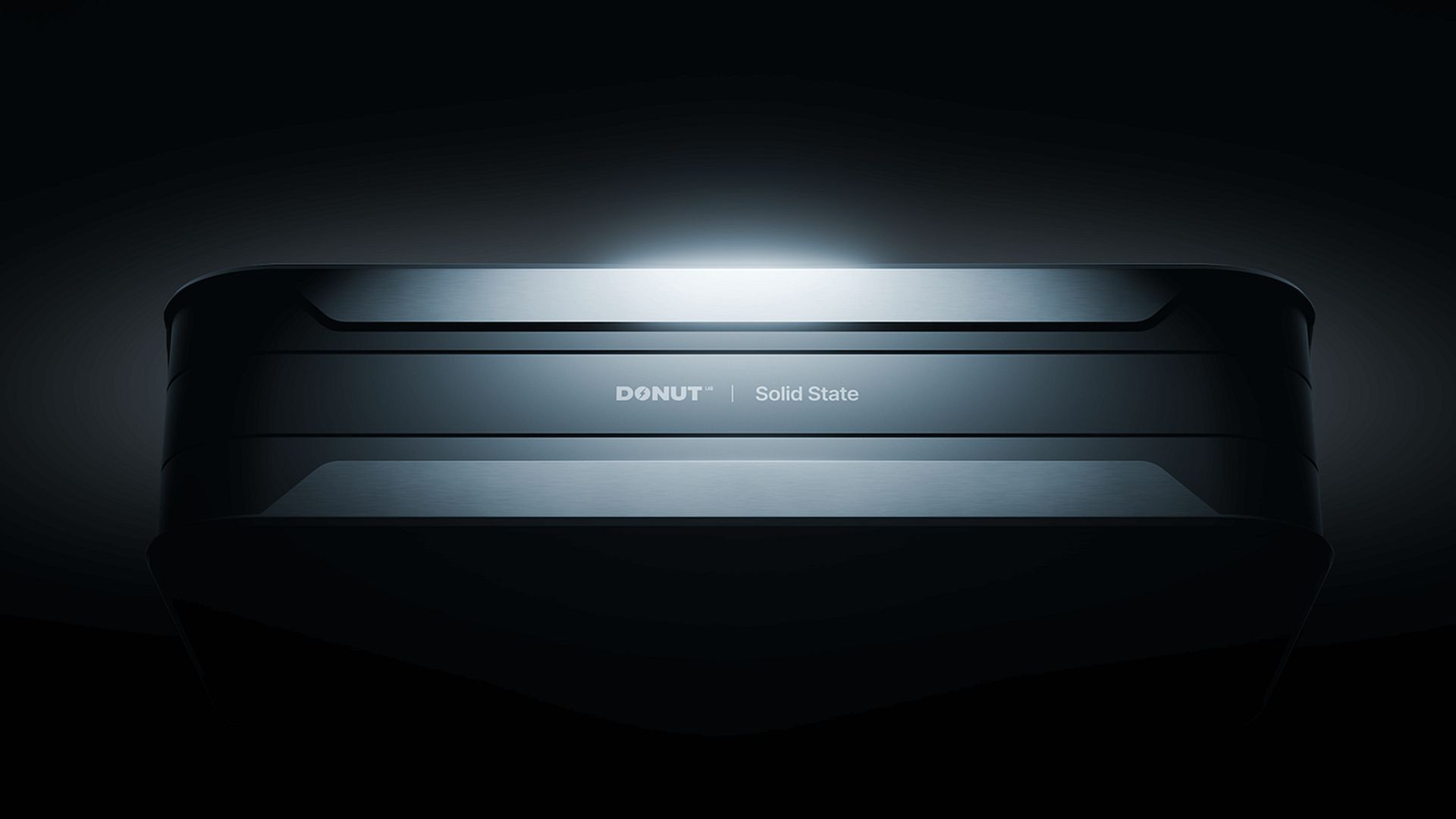
A major announcement at CES 2026 has placed a small Finnish startup at the center of global attention.Donut Lab revealed what it describes as the first fully solid-state battery to reach commercial production.The announcement attracted considerable interest across the consumer electronics and electric mobility industries.
According to coverage from Red Shark News and Android Police, the company presented the battery as a ready-to-produce product rather than a distant research concept.Reports note that Donut Lab positioned the technology as a significant leap beyond conventional lithium-ion cells.The presentation drew large crowds at the event, reflecting widespread anticipation for breakthroughs in battery performance, safety, and charging time.
Journalists observed that interest was driven not only by the technology itself, but by the claim that it is already moving into production rather than remaining in prototype form.The news resonated strongly at the show because solid-state batteries have long been viewed as a potential solution to the limitations of current battery technology.
The announcement suggested that what has been theoretical for years may now be entering the early stages of real-world deployment.For many attendees, the possibility of commercially available solid-state cells represented one of the most notable developments to emerge from this year's CES.
According to coverage from Red Shark News and Android Police, the company presented the battery as a ready-to-produce product rather than a distant research concept.Reports note that Donut Lab positioned the technology as a significant leap beyond conventional lithium-ion cells.The presentation drew large crowds at the event, reflecting widespread anticipation for breakthroughs in battery performance, safety, and charging time.
Journalists observed that interest was driven not only by the technology itself, but by the claim that it is already moving into production rather than remaining in prototype form.The news resonated strongly at the show because solid-state batteries have long been viewed as a potential solution to the limitations of current battery technology.
The announcement suggested that what has been theoretical for years may now be entering the early stages of real-world deployment.For many attendees, the possibility of commercially available solid-state cells represented one of the most notable developments to emerge from this year's CES.
Is This Really the World's First Solid-State Battery?
Donut Lab says its all-solid-state battery will be used in a production electric motorcycle this year
I tried the future of batteries at CES 2026, and I'm ready to ditch my power banks
Red Shark News reports the Donut Lab highlighted several performance claims during its presentation.The company stated that its solid-state cell design offers higher energy density compared to existing lithium-based packs.It also promoted the ability to charge much quicker while maintaining stability and safety.
Donut Lab presented these characteristics as evidence that its product could significantly advance battery performance across multiple industries.However, the same reporting notes that the bold claims have prompted questions from observers.Engineers and analysts want to see independent testing, especially given the complexity of scaling solid-state designs to industrial production.
Red Shark News pointed out that the company did not provide detailed verification or extensive public data during the CES announcement.As a result, the industry response has included both optimism and caution.Commentary in the reporting also indicates that the lack of third-party confirmation has kept expectations measured.
While the performance promises are ambitious, many experts note that solid-state technologies have historically faced challenges in moving from experimental stages to mass production.These questions remain relevant as Donut Lab positions its battery as a commercially ready product.According to reporting from Charged EVs, Donut Lab's solid-state battery is scheduled to be used in a production electric motorcycle within the year.The article states that Verge Motorcycles plans to equip a commercial model with the new battery pack.The announcement marks one of the first real-world deployments of the technology that Donut Lab introduced at CES.
The motorcycle application is significant because two-wheel vehicles often provide a practical entry point for early stage battery technologies.They require smaller battery packs than passenger cars, which can reduce complexity and allow manufacturers to adopt new designs more quickly.Charged EVs notes that the partnership between Donut Lab and Verge illustrates how the technology may begin transitioning from demonstrations into active use on the road.
The report indicates that Verge intends to use the new cells in a model that will be available to buyers within the same year.If the rollout proceeds as described, it would represent one of the first commercial products powered by the solid-state technology that Donut Lab presented at CES.Observers see the initiative as an early test case for how well the battery performs under real-world conditions.Coverage across the three reports shows a mix of excitement and cautious evaluation from journalists and industry observers.Android Police described the technology as impressive in its hands-on experience at CES and highlighted the possibility of lighter and faster charging batteries for consumer devices.The report noted that if the claims are validated in production environments, the technology could reduce dependence on power banks and extend the practicality of mobile devices.
Red Shark News emphasized the scale of attention the announcement received, reflecting strong interest in a potential step forward for battery safety and efficiency.The publication also highlighted the skepticism that accompanies any major claim in the battery sector, especially when large-scale manufacturing challenges remain unresolved.From the mobility perspective, charged EVs showed that the motorcycle industry may be one of the earliest adopters which could offer valuable insight into how the technology performs outside controlled environments.
The upcoming deployment in a production motorcycle provides a tangible way to test endurance, reliability and real-world charging behavior.Overall, the report suggests that the announcement may signal an important moment for the battery industry.If Donut Labs' technology succeeds in meeting its stated performance levels and production targets, it could influence electric vehicles, portable electronics, and broader renewable energy systems.
Analysts note that the next stage of development will depend on verifiable performance data and the company's ability to scale manufacturing.The year ahead is expected to provide the first significant indicators of whether the technology can deliver on its promise.
Donut Lab presented these characteristics as evidence that its product could significantly advance battery performance across multiple industries.However, the same reporting notes that the bold claims have prompted questions from observers.Engineers and analysts want to see independent testing, especially given the complexity of scaling solid-state designs to industrial production.
Red Shark News pointed out that the company did not provide detailed verification or extensive public data during the CES announcement.As a result, the industry response has included both optimism and caution.Commentary in the reporting also indicates that the lack of third-party confirmation has kept expectations measured.
While the performance promises are ambitious, many experts note that solid-state technologies have historically faced challenges in moving from experimental stages to mass production.These questions remain relevant as Donut Lab positions its battery as a commercially ready product.According to reporting from Charged EVs, Donut Lab's solid-state battery is scheduled to be used in a production electric motorcycle within the year.The article states that Verge Motorcycles plans to equip a commercial model with the new battery pack.The announcement marks one of the first real-world deployments of the technology that Donut Lab introduced at CES.
The motorcycle application is significant because two-wheel vehicles often provide a practical entry point for early stage battery technologies.They require smaller battery packs than passenger cars, which can reduce complexity and allow manufacturers to adopt new designs more quickly.Charged EVs notes that the partnership between Donut Lab and Verge illustrates how the technology may begin transitioning from demonstrations into active use on the road.
The report indicates that Verge intends to use the new cells in a model that will be available to buyers within the same year.If the rollout proceeds as described, it would represent one of the first commercial products powered by the solid-state technology that Donut Lab presented at CES.Observers see the initiative as an early test case for how well the battery performs under real-world conditions.Coverage across the three reports shows a mix of excitement and cautious evaluation from journalists and industry observers.Android Police described the technology as impressive in its hands-on experience at CES and highlighted the possibility of lighter and faster charging batteries for consumer devices.The report noted that if the claims are validated in production environments, the technology could reduce dependence on power banks and extend the practicality of mobile devices.
Red Shark News emphasized the scale of attention the announcement received, reflecting strong interest in a potential step forward for battery safety and efficiency.The publication also highlighted the skepticism that accompanies any major claim in the battery sector, especially when large-scale manufacturing challenges remain unresolved.From the mobility perspective, charged EVs showed that the motorcycle industry may be one of the earliest adopters which could offer valuable insight into how the technology performs outside controlled environments.
The upcoming deployment in a production motorcycle provides a tangible way to test endurance, reliability and real-world charging behavior.Overall, the report suggests that the announcement may signal an important moment for the battery industry.If Donut Labs' technology succeeds in meeting its stated performance levels and production targets, it could influence electric vehicles, portable electronics, and broader renewable energy systems.
Analysts note that the next stage of development will depend on verifiable performance data and the company's ability to scale manufacturing.The year ahead is expected to provide the first significant indicators of whether the technology can deliver on its promise.